
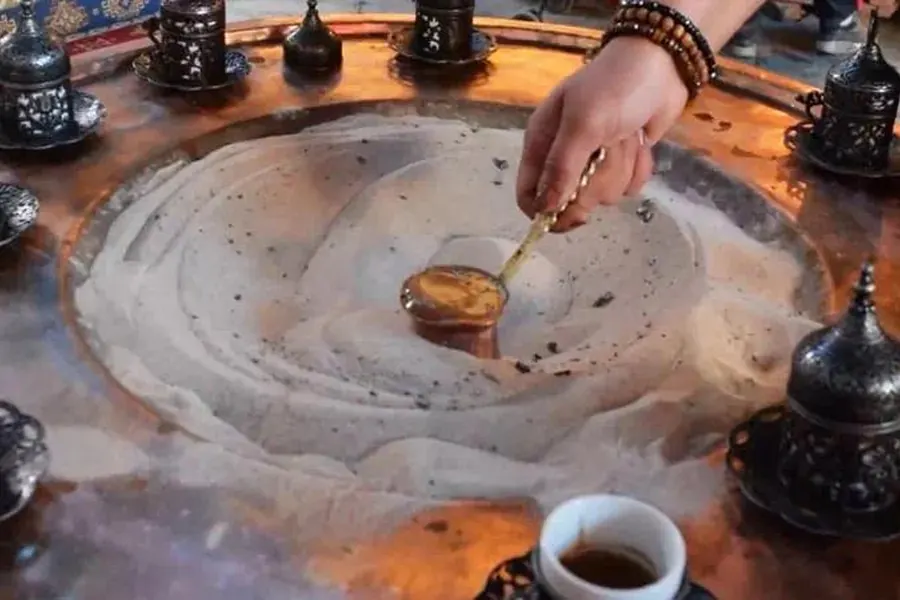
Turkish cuisine is famous for its food, but traditional Turkish drinks are just as much a part of daily life. Tea is poured all day long, coffee is a ritual with its own etiquette, and winter brings thick, warming drinks that have been sold on Istanbul's streets since Ottoman times. This guide covers the drinks you will meet in Turkey, hot and cold, soft and alcoholic, and where to try them in Istanbul.
Hot Turkish Drinks: Tea and Coffee
Turkish tea (çay)
Tea is the drink of Turkey. It is served everywhere, from homes and offices to shops in the bazaar, where shopkeepers will often offer you a glass. Most Turkish tea is black tea grown on the Black Sea coast around Rize.
It is brewed in a double teapot called a çaydanlık: strong tea steeps in the top pot and is diluted to taste with hot water from the bottom one. Ask for "koyu" if you like it strong or "açık" if you prefer it light. Tea is served in small tulip-shaped glasses, without milk, with sugar cubes on the side.

Turkish coffee (Türk kahvesi)
Coffee has had a special place in Turkish life for centuries, and Turkish coffee culture is recognised by UNESCO as intangible cultural heritage. Finely ground coffee is simmered slowly with water, and sugar if you want it, in a small pot called a cezve. It is served unfiltered with a thick foam on top, a glass of water and often a piece of Turkish delight.
Order it sade (no sugar), az şekerli (a little sugar), orta (medium) or şekerli (sweet), because the sugar goes in during brewing. Let the grounds settle and stop sipping before you reach them. Some people turn the cup over afterwards to have their fortune read from the grounds.

For coffee to take home, Kurukahveci Mehmet Efendi behind the Spice Bazaar in Eminönü has sold freshly ground coffee for generations. See our Spice Bazaar guide for the area.
Apple tea and herbal teas
Apple tea (elma çayı) is sweet and fruity and is served in many cafés and shops around Sultanahmet. It is more popular with visitors than with locals, but it makes an easy souvenir. Herbal teas such as linden (ıhlamur) and sage (adaçayı) are also common, especially in winter.

Rosehip tea (kuşburnu)
Rosehip, rich in vitamin C, has been used for a warming hot drink in Turkey for generations. Its tart, fruity flavour and deep red colour make it a pleasant alternative to black tea on a cold day.

Winter Drinks: Sahlep and Boza
Sahlep (salep)
Sahlep was popular in Ottoman cuisine and is still a winter favourite. It is made from hot milk thickened with powder from the dried tubers of wild orchids, sweetened and served with a dusting of cinnamon. It is traditionally said to soothe coughs and sore throats. Because wild orchids are protected, genuine orchid powder is expensive and many cheaper mixes use other thickeners.

Boza
Boza is one of the oldest Turkish drinks. It is a thick, slightly sour and sweet fermented drink, usually made from millet in Turkey, and eaten almost like a pudding with cinnamon and roasted chickpeas (leblebi) on top. Fermentation gives it a very low alcohol content.
Boza has been part of Istanbul life for centuries: the 17th-century traveller Evliya Çelebi wrote that there were hundreds of boza makers in the city. You may still hear street sellers calling "bozaaa" on winter evenings. The most famous place to try it is Vefa Bozacısı near the Süleymaniye Mosque, in business since 1876.

Cold Drinks: Ayran, Şalgam and Sherbet
Ayran
Ayran is a cold, salty drink made by mixing yoghurt with water and a pinch of salt. It is the classic partner for kebabs, döner, pide and spicy dishes, and is often served frothy in a copper cup. It is refreshing in hot weather and widely considered the national soft drink.

Şalgam
Şalgam is a deep purple, sour drink made by fermenting purple carrots with bulgur, salt and sometimes turnip. It comes from the Adana and Mersin region, is often ordered spicy (acılı), and is drunk with kebabs or alongside rakı.
Sherbet (şerbet)
Before fizzy drinks, Ottoman tables were served sherbets: chilled, sweet drinks made from fruit, flowers, herbs and spices. Popular flavours include rose, tamarind, sour cherry and pomegranate. Some restaurants specialising in Ottoman cuisine still serve them, and sour cherry juice (vişne suyu) is a common modern relative. During Ramadan, sherbets are also served at the evening iftar meal.
Rakı: The National Spirit
Rakı is a clear spirit distilled from grapes or raisins and flavoured with aniseed. It is strong, so it is usually diluted with cold water, which turns it milky white. This is why it is nicknamed "lion's milk" (aslan sütü).
Rakı is sipped slowly over a long meal of meze and fish, often at a meyhane, a traditional tavern. Locals usually serve it in a tall narrow glass with a separate glass of water. Turkish beer and wine from regions such as Thrace, the Aegean and Cappadocia are also widely available.

Where to Try Turkish Drinks in Istanbul
- Tea: any çay bahçesi (tea garden). Those in Üsküdar, Ortaköy and along the Bosphorus have the best views.
- Turkish coffee: traditional coffee houses in the old city, or buy freshly ground coffee near the Spice Bazaar.
- Boza and sahlep: in winter, at Vefa Bozacısı or from cafés and street sellers.
- Rakı: a meyhane in Kumkapı, Beyoğlu or along the Bosphorus.
To taste these drinks with the food they go with, join our Istanbul food tour, or enjoy dinner and drinks on the water with a private dinner cruise on the Bosphorus. For the dishes themselves, read our guides to Turkish cuisine and Turkish desserts and sweets.
Frequently asked questions
What is the national drink of Turkey?
Tea is the everyday national drink, while ayran is often called the national soft drink and rakı the national alcoholic drink.
Is salep the same as sahlep?
Yes. Salep and sahlep are two spellings of the same hot winter drink made with milk and orchid-root powder, usually topped with cinnamon.
Does boza contain alcohol?
Boza is fermented, so it contains a very small amount of alcohol, but it is generally treated as a soft drink in Turkey.
How do you drink Turkish coffee?
Choose your sugar level when ordering, wait for the grounds to settle, then sip slowly and stop before you reach the thick grounds at the bottom.
Why does rakı turn white?
Rakı contains anise oils that dissolve in alcohol but not in water. When you add water, the oils form tiny droplets, turning the drink milky white.
Dinner on the Bosphorus
Enjoy Turkish mezes and a chef's dinner on a private yacht, with the palaces and bridges lit up around you.