
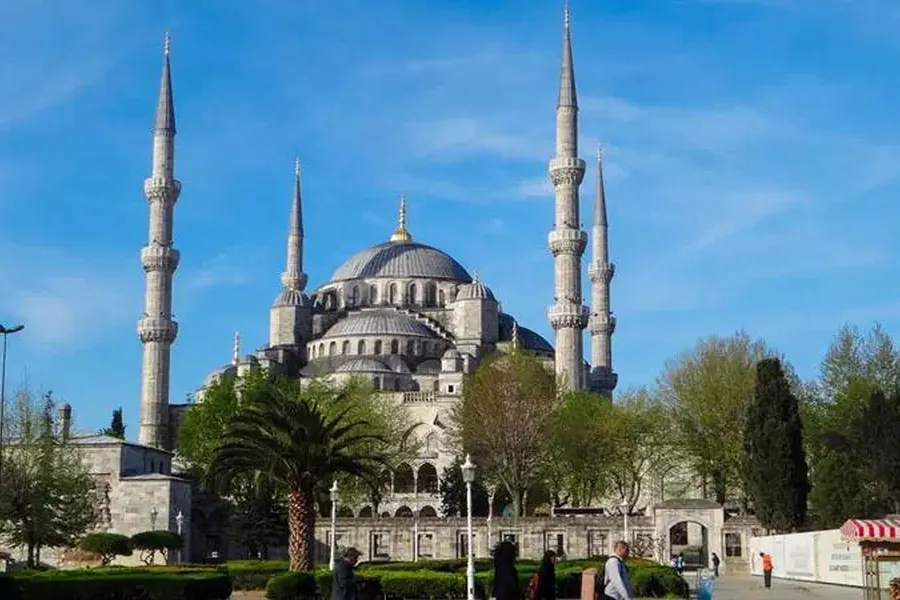
This Istanbul guide answers the questions first-time visitors ask most often before they arrive: how many days to plan, where to stay, whether the city is safe, which currency to carry, what to wear and what to eat. Each answer is short and practical, so you can jump to the topic you need. For a quick overview of why the city is worth the trip, see our reasons to visit Istanbul.
If you would rather hand the planning to someone else, our team in Istanbul can arrange tours, transfers and Bosphorus cruises for you. For a broader overview of the city, see our Istanbul travel guide.
Istanbul at a glance: what the city is famous for
Istanbul is the only major city that spreads across two continents, Europe and Asia, divided by the Bosphorus strait. As Byzantium, Constantinople and then the Ottoman capital, it was the seat of empires for more than 1,500 years, and Roman, Byzantine and Ottoman monuments still stand side by side.
The two areas most visitors focus on are the historic peninsula around Sultanahmet and the shores of the Bosphorus. The best-known sights include:
- Hagia Sophia, the Blue Mosque and the Basilica Cistern
- Topkapi Palace and, on the Bosphorus, Dolmabahce Palace
- The Hippodrome (Sultanahmet Square) and its ancient monuments
- The Grand Bazaar and the Spice Bazaar
- Maiden's Tower, Galata Tower and the historic Turkish baths


Note that Hagia Sophia has been a mosque again since July 2020. The ground floor is reserved for prayer, and since January 2024 foreign visitors enter by a separate route to the upper gallery for a fee.
What are the best things to buy in Istanbul?
Popular souvenirs include ceramics and tiles, mosaic Turkish lamps, evil eye (nazar) charms, kilims and carpets, silver and gold jewellery, Turkish tea and coffee, spices, Turkish delight and baklava. Shopping in the Grand Bazaar and the Spice Bazaar is also a chance to see two historic markets that have traded for centuries. Compare prices in a few shops and expect to bargain.


Planning your first trip to Istanbul
Do you need a visa for Istanbul?
Visa rules depend on your passport. Many European nationals can visit Turkey without a visa for short stays, while other travellers need an e-visa, which is valid for the whole country. Check your nationality and apply only on the official Republic of Turkey website, evisa.gov.tr. Our page on the e-visa for Istanbul explains the process.


How many days is enough for Istanbul?
Three to four days cover the main sights at a comfortable pace, as long as you plan them well. A simple outline:
- Day 1: the Sultanahmet sights in the morning, ideally on a guided Istanbul old city tour, then an evening Bosphorus dinner cruise with a Turkish night show.
- Day 2: walk from Sultanahmet to the Grand Bazaar for carpets, lamps and handmade crafts, then downhill to the Spice Bazaar in Eminonu. Mehmet Efendi's coffee shop beside the Spice Bazaar is a good place to buy freshly ground Turkish coffee.
- Day 3: escape the crowds with a boat trip to the Princes' Islands, used as a place of exile in Byzantine times and now known for wooden mansions, seaside cafes and streets free of private cars.
For more itineraries, see our Istanbul trip ideas.
Which is the best area to stay in Istanbul?
For sightseeing, Sultanahmet and the streets around it are the most convenient base, because the main Byzantine and Ottoman monuments are within walking distance of each other. Hotels here can cost more than in other districts. Karakoy, Galata and the Bosphorus shore suit travellers who want restaurants and nightlife. Read more about where to stay in Istanbul.
How do you get from the airport to the city centre?
Istanbul has two airports: Istanbul Airport on the European side and Sabiha Gokcen Airport on the Asian side. Both are roughly 40 to 50 kilometres from the historic centre. Flights into Sabiha Gokcen are often cheaper, but compare the total cost including the transfer.
Your options are taxis, airport buses (Havaist from Istanbul Airport, Havabus from Sabiha Gokcen), the metro line from Istanbul Airport, shuttles and private transfers. Traffic is the main problem: avoid weekday rush hours and weekend evenings where possible. The journey normally takes around an hour and can take much longer at busy times. Many hotels can book a transfer for you.
Is Istanbul safe for tourists?
Istanbul is generally a safe city to visit, and millions of travellers come every year without problems. The usual big-city precautions apply: watch your bag in crowded places such as trams, bazaars and ferry piers, and keep valuables out of sight. For the wider picture, read is it safe to travel to Turkey.
Is it safe to walk around Istanbul, including at night?
Yes. The tourist areas are busy until late, and walking around Sultanahmet, Galata, Karakoy or the Bosphorus shore in the evening is normal. If you plan to explore neighbourhoods far from the centre, ask your hotel for advice first.
Is Istanbul safe for women travelling alone?
Many women travel to Istanbul on their own without trouble. Stay in central, lively areas at night, avoid empty side streets and use licensed taxis or a taxi app after dark.
What should you avoid in Istanbul?
- Buying without comparing prices and bargaining, especially in bazaars.
- Buying tours from street sellers; book with a licensed agency instead.
- Changing money with people on the street; use licensed exchange offices or ATMs.
- Ordering in a restaurant without checking the prices on the menu, and paying without checking the bill.
- Friendly strangers who invite you to a bar or club; this is a known scam.
- Drinking alcohol in the street, in parks or near mosques.
- Entering a mosque in shoes or very short clothing.
- Leaving your passport behind; carry it or a copy, plus some Turkish lira in cash.
Money, prices and currency in Istanbul
Is Istanbul expensive to visit?
For many visitors earning in euros, pounds or dollars, Istanbul is still good value, although prices have risen sharply in recent years. Your budget depends mostly on your hotel, the tours you book and where you eat. Restaurants in the main tourist streets cost more than neighbourhood places.
What money should you take to Istanbul?
The Turkish lira is the only official currency. You do not need to bring all your money in cash: ATMs are everywhere in the tourist areas and cards are widely accepted. Withdraw or exchange what you need as you go, and keep some lira for taxis, small shops and street food.
Can you use euros in Istanbul, and is it better to pay in lira?
Some hotels, tour operators and shops in tourist areas quote prices in euros or accept them, but most everyday payments are made in lira. Paying in lira is usually better value. If you want to exchange euros, licensed exchange offices (doviz) generally give better rates than hotels.
Weather and the best time to visit Istanbul
The best time to visit Istanbul is spring (April to May) and autumn (September to November). Temperatures are pleasant for walking, the light is good for photography and the main sights are less crowded than in midsummer.
June, July and August are hot, humid and busy, with longer queues at the big monuments and higher hotel prices. On the other hand, long summer evenings are ideal for a sunset cruise on the Bosphorus.
The coldest months are January and February, when rain is common and it occasionally snows. Winter is quieter and cheaper, and the museums, mosques and bazaars are all indoors, so it can still be a good time for a city break if you pack warm, waterproof clothes.
What to wear in Istanbul
Istanbul is a large, modern city and everyday dress is much the same as in other European cities. Bring comfortable shoes, as you will walk a lot on hills and cobbles, and clothes suited to the season.
Can you wear shorts in Istanbul?
Yes, shorts are fine around the city in warm weather. Keep a pair of long trousers or a long skirt handy for mosque visits.
What to wear in a mosque
Jeans are fine. Cover your knees and shoulders, take your shoes off before entering, and women should cover their hair with a scarf; major mosques often lend scarves and wraps at the entrance. Mosques close to visitors during prayer times, so plan your visit around them.
How should female tourists dress in Istanbul?
Local women dress in many styles, from modern Western clothes to more conservative outfits with a headscarf. Sleeved dresses, long tops, trousers and jeans are all common. Carrying a light scarf makes mosque visits easy.
Food, drink and practical tips
What should you eat and drink in Istanbul?
Istanbul brings together dishes from every region of Turkey. Try these at least once:
- Kebabs, including Adana kebab and iskender
- Doner and lahmacun (thin, spiced flatbread)
- Icli kofte (stuffed bulgur meatballs) and manti (Turkish dumplings)
- Sarma (stuffed vine leaves)
- Baklava and Turkish delight
- Ayran (a salty yoghurt drink), Turkish tea and Turkish coffee
- Raki, the aniseed spirit served with meze and fish


For dishes and addresses, see top things to eat in Istanbul and our guide to where to eat in Istanbul. There is no single best dish, but few people leave without trying doner, a good kebab and baklava.


Is it safe to eat street food in Istanbul?
Generally, yes. Locals eat street food every day. Classics include fish sandwiches (balik ekmek) by the water in Eminonu, kumpir (loaded baked potatoes) in Ortakoy, kokorec (grilled seasoned offal) and simit, the sesame bread ring sold in every district. Choose busy stalls with a quick turnover.


How much does a meal cost in Istanbul?
It depends on where and what you eat. Restaurants on the main tourist streets cost more than local places a few streets away. Ask locals or your hotel for recommendations, and always check the prices on the menu before you order.
Can you drink alcohol in Istanbul?
Yes. Alcohol is served in many restaurants, meyhanes (taverns) and bars, and sold in shops, though not late at night. Drinking in the street, in parks or near mosques is frowned upon, so enjoy it in a restaurant or bar.
Can you smoke in Istanbul?
Smoking is banned in enclosed public spaces, on public transport and inside restaurants and bars, but it is common outdoors and on terraces.
Can you drink tap water in Istanbul?
The city's water is treated, but most residents drink bottled or filtered water because of old pipes in many buildings. Tap water is fine for brushing your teeth and washing.
What plugs and voltage are used in Istanbul?
Turkey uses 230 volts at 50 Hz, with the round two-pin European plugs (types C and F). Travellers from the UK, the US and other regions need an adapter, and devices that are not dual-voltage also need a converter.


Are taxis safe and expensive in Istanbul?
Taxis are safe and generally cheaper than in most of Western Europe. Make sure the meter is running instead of agreeing a price, and follow the route on your phone, as some drivers choose longer routes. The fare from the airport depends on traffic and the route taken. Taxi apps such as BiTaksi help avoid disputes.
Is there Uber in Istanbul?
Uber is available in Istanbul, but it is used mainly to book licensed yellow taxis rather than private cars. It is a convenient way to see the fare estimate and route in advance.
Entrance fees and opening hours change often. Check the current fee and hours on the official website before you visit.
Frequently asked questions
Is the Grand Bazaar open every day?
No. The Grand Bazaar is closed on Sundays and on religious holidays, so plan your shopping for another day.
What is the Istanbulkart?
The Istanbulkart is a rechargeable travel card used on the metro, trams, buses, the Marmaray line and city ferries. You can buy and top it up at machines near stations and piers.
Do I need to tip in Istanbul?
Tipping is customary but modest. In restaurants, around 5 to 10 percent is usual if service is not already included; for taxis, rounding up the fare is enough.
Should I stay on the European or the Asian side of Istanbul?
First-time visitors usually stay on the European side, in Sultanahmet, Karakoy or Galata, because most of the main sights are there. The Asian side, such as Kadikoy, suits return visitors who want a more local atmosphere.
Planning Istanbul? Add a private Bosphorus cruise
The Bosphorus is the highlight of most trips. Charter your own yacht with crew for your family, friends or team, from 2 hours to a full day.