
Visiting Istanbul for the first time is exciting, but it is a huge, busy city of more than 15 million people, and traffic can eat into your time if you do not plan. This Istanbul travel guide covers the essentials: the best activities, the main sights, how many days to spend, how to get around, where to stay, and the practical tips that make a trip run smoothly.
Top things to do in Istanbul
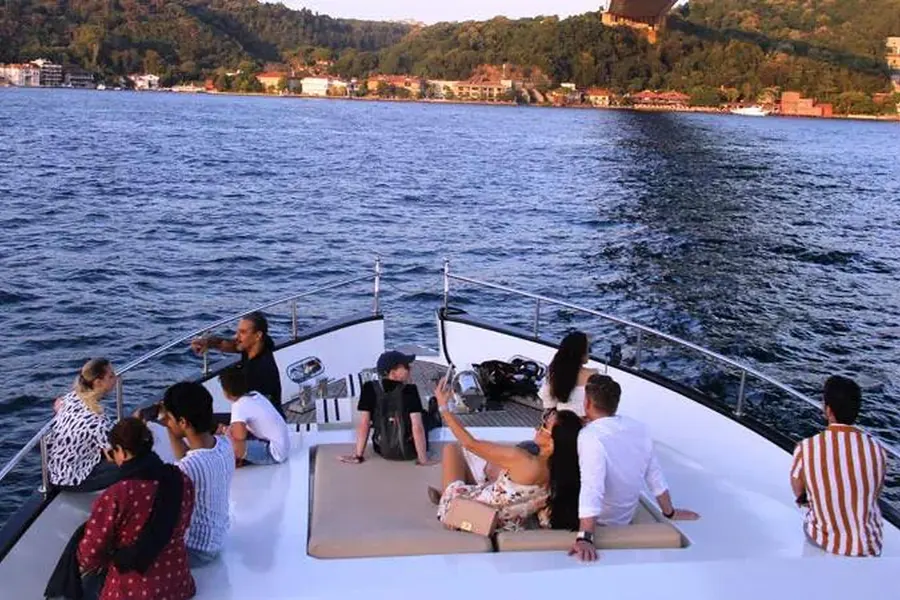
For most visitors, the first priority is the Bosphorus. A boat trip on the strait shows you Ottoman palaces, Byzantine and Ottoman fortresses, waterside mansions and the bridges linking Europe and Asia. In the evening, a Bosphorus dinner cruise adds Turkish food and a Turkish night show with belly dancing and folk dances. If you are travelling as a family or group, a private Bosphorus yacht cruise gives you the boat to yourselves.


Next comes Sultanahmet, the heart of the old city. The Basilica Cistern, Hagia Sophia, the Blue Mosque, the German Fountain and Topkapi Palace are all within walking distance of each other, so you can see a remarkable amount in one day. There are plenty of cafés for a break between sights.


If you have time, add a day on the Princes' Islands. After about an hour on the boat you leave the city's crowds behind for wooden mansions, pine woods and seaside restaurants. Private cars are not allowed on the islands, so people get around by bicycle, on foot or by small electric vehicles. In Byzantine times the islands were a place of exile, which is one reason they are so rich in history. For more ideas, see our list of top things to do in Istanbul.
Most popular places to visit in Istanbul
Istanbul's skyline is dominated by Byzantine and Ottoman monuments, and every district has its own character. These are the sights most first-time visitors want to see.
Hagia Sophia
Built between 532 and 537 as the cathedral of Constantinople, Hagia Sophia was briefly a Catholic church during the Latin occupation of the 13th century and became a mosque after the Ottoman conquest in 1453. It was a museum for most of the 20th century and has been a mosque again since July 2020. Since January 2024, foreign visitors use a separate route to the upper gallery for a fee, while the ground floor is used for prayer. Read our Hagia Sophia guide.
Blue Mosque (Sultan Ahmed Mosque)
The mosque was built for Sultan Ahmed I between 1609 and 1616 by the architect Sedefkâr Mehmed Ağa. Its interior is lit by more than 200 stained-glass windows and decorated with over 20,000 İznik tiles. As a working mosque, it closes to visitors during prayer times.
Topkapi Palace
Begun by Mehmed the Conqueror in the 1460s, Topkapi was the home of the sultans and the centre of government for around 400 years. It opened as a museum in 1924. Highlights include the Imperial Council chamber (Kubbealtı), the Treasury, the Harem and the Baghdad and Mecidiye pavilions with their views over the Bosphorus.
Basilica Cistern
The largest surviving Byzantine cistern in Istanbul dates from the 6th century. Its forest of columns and the two Medusa heads are unforgettable. It reopened in 2022 after a major restoration and sometimes hosts concerts and events. See our Basilica Cistern guide.
Dolmabahçe Palace
Built between 1843 and 1856 on the Bosphorus shore in Beşiktaş, Dolmabahçe replaced Topkapi as the main residence of the last sultans. Its style mixes Baroque, Rococo and Neoclassical elements, and its clock tower stands by the entrance. Atatürk used the palace on his visits to Istanbul and died here on 10 November 1938.
Galata Tower
The Genoese built the present tower in 1348 as part of the walls of their Galata colony. A famous story tells that in the 17th century Hezarfen Ahmed Çelebi flew from the tower across the Bosphorus to Üsküdar with home-made wings. Today it is run as a museum by the Ministry of Culture and has one of the best panoramic views in the city. Read about Galata Tower.
Chora (Kariye)
Chora's 14th-century mosaics and frescoes are among the finest examples of late Byzantine art. The mosaics in the two narthexes tell the life of Christ and the Virgin Mary. Chora became a mosque again in 2020 and reopened on 6 May 2024; foreign visitors pay a fee and it is closed to tourists on Fridays. See our Chora guide.
Maiden's Tower
According to legend, a king built this tower on an islet off Salacak to protect his daughter from a prophecy, but could not prevent her death. The tower reopened in 2023 after restoration. Read more about the Maiden's Tower.
Grand Bazaar and Spice Bazaar
The Grand Bazaar is one of the oldest covered markets in the world, with shops selling leather, carpets, silver, textiles and copperware. From there, walk downhill through the busy Mahmutpaşa streets to the Spice Bazaar in Eminönü. See our guides to the Grand Bazaar and the Spice (Egyptian) Bazaar.
How many days do you need in Istanbul?
With good planning, three days are enough to see the main historic sights and take part in the most popular activities.
- Day 1: a guided tour of Sultanahmet in the morning and a Bosphorus dinner cruise with Turkish night show in the evening.
- Day 2: the Golden Horn and Galata. Start at Pierre Loti Hill for the view over the Golden Horn, walk the colourful streets of Balat, then go up Galata Tower for a 360-degree view of the city.
- Day 3: a relaxing day on the Princes' Islands, away from the crowds.
With four or five days you can add a Bosphorus day cruise, the Asian side (Üsküdar and Kadıköy) and the city's museums at a gentler pace. Our Istanbul trip ideas have more suggestions.
Getting around Istanbul
Traffic is one of the city's biggest challenges, so plan your days around public transport where you can. If you travel with an Istanbul travel agency, transfers are usually arranged for you.
- Use the tram and metro. The T1 tram links Sultanahmet, Eminönü, Karaköy and Kabataş, and most historic sights are close to a stop.
- Buy an Istanbulkart, the city's travel card. You can buy and top it up at machines in stations without any documents, and it also works on ferries and buses.
- Take the ferries. They are the most pleasant way to cross between Europe and Asia.
- Choose a hotel near a tram or metro stop. In Sultanahmet you can walk to most sights.
See our Istanbul city maps for metro and tram lines.
Where to stay in Istanbul
Istanbul has a huge range of hotels, from five-star properties to small boutique guesthouses. Choosing the right area makes the biggest difference to a smooth trip.
- Sultanahmet: the first choice for most first-time visitors. The main Ottoman and Byzantine sights are within walking distance, though prices are higher than elsewhere.
- Beyazıt, Laleli, Çemberlitaş, Aksaray and Eminönü: close to Sultanahmet and on the tram line, with lower hotel prices. Sultanahmet is about 10 minutes away by tram.
- Galata, Karaköy and Pera: lively neighbourhoods on the tram line and close to the piers where many Bosphorus cruises depart.
- Taksim and Beyoğlu: a wide choice of hotels, popular with people who enjoy nightlife.
Many tours include free hotel pick-up only from central areas, so a hotel far from the centre may cost you more in transfers than you save on the room. Read our full guide to where to stay in Istanbul.
Food, drink and shopping in Istanbul
What to eat and drink
Istanbul offers dishes from every region of Turkey, from kebabs and mezes to fresh fish and baklava. The question is less what to eat than where to eat it well, since restaurants in the busiest tourist areas are often more expensive. Our guides to where to eat in Istanbul and the top things to eat in Istanbul will help.
What to buy
Popular souvenirs include hand-woven carpets and kilims, decorated nargile (water pipes), miniature paintings, tiles and ceramics. Turkish delight, baklava and apple tea are favourite edible gifts. You will also find international brands in the city's modern shopping centres.
Where to shop
The Grand Bazaar is the most popular place for visitors to shop. Compare prices in a few shops before you buy, especially for carpets, where prices for similar pieces can vary widely. The Spice Bazaar is the place for spices, herbal teas and Turkish delight.
Practical travel tips for Istanbul
- Change money at official exchange offices (döviz), which are easy to find in tourist areas, never with people on the street.
- Cards are widely accepted, but carry some Turkish lira in cash for small shops, markets and taxis.
- Drink bottled water rather than tap water.
- Book tours with licensed agencies rather than street sellers.
- Pack for the season: light clothes, sunglasses and sunscreen in summer; a raincoat, umbrella and light jacket in spring and autumn. Winters are cold and often wet, but the sights are quieter.
- Keep your passport with you. Check whether you need a visa before you travel; see our page on the e-visa for Istanbul.
- For mosques, bring a headscarf (women) and wear clothing that covers shoulders and knees. Mosques close to visitors during prayer times.
- Istanbul has two airports: Istanbul Airport (IST) on the European side, the main hub of Turkish Airlines, and Sabiha Gökçen (SAW) on the Asian side, the main base of Pegasus. Both are a long drive from the centre, so allow plenty of time.
- Entrance fees and opening hours change often, so check them on the official websites before you visit.
For more advice, read our Istanbul travel tips.
Frequently asked questions
How many days are enough for Istanbul?
Three days are enough for a first visit: one for Sultanahmet, one for the Golden Horn and Galata, and one for the Bosphorus or the Princes' Islands.
What is the best area to stay in Istanbul for first-time visitors?
Sultanahmet is the most convenient area for a first visit, as the main sights are within walking distance. Nearby Beyazıt, Laleli and Eminönü are cheaper and on the same tram line.
What is the best way to get around Istanbul?
Use the tram, metro and ferries with an Istanbulkart travel card. The T1 tram connects most of the historic sights.
Can I use credit cards in Istanbul?
Cards are widely accepted in hotels, restaurants and shops, but it is useful to carry some Turkish lira for small purchases, markets and taxis.
Is Hagia Sophia a museum or a mosque?
Hagia Sophia has been a mosque again since July 2020. Foreign visitors use a separate route to the upper gallery for a fee.
Planning Istanbul? Add a private Bosphorus cruise
The Bosphorus is the highlight of most trips. Charter your own yacht with crew for your family, friends or team, from 2 hours to a full day.