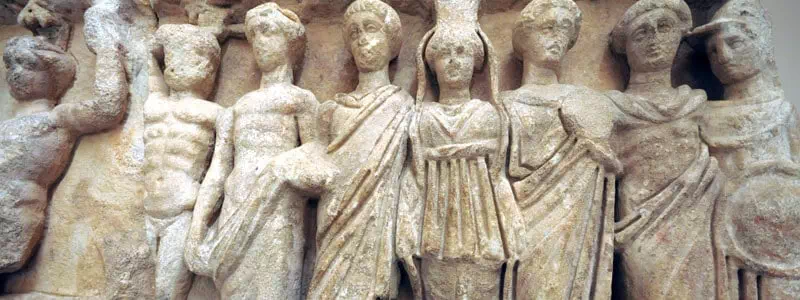
Ephesus Archeology Museum, one of the most beautiful museums in Izmir, is located in the center, one of Turkey’s most visited museums. Ephesus and Mycena, Archaic, Classical, Hellenistic, Roman, Byzantine, Seljuk and Ottoman period in the vicinity have around 50,000 works, with the most original pieces of art exhibited in the museum, including the Artemis Statue of Ephesus. Artemis is a mother goddess, symbol of fertility and abundance.
The Statue of Yunuslu Eros, Head of Socrates, Statue of Isis and Statue of Priapos are some of the world-famous works of the Ephesus Museum.
Quick Facts
- Official name: Ephesus Archaeology Museum (Efes Arkeoloji Müzesi)
- Location: Atatürk Caddesi, Selçuk town centre, İzmir Province
- Distance from the Ephesus archaeological site: approximately 3 km
- Founded: 1929 (original building); renovated and expanded several times, most recently in the 2010s
- Estimated holdings: tens of thousands of objects, with several thousand on display
- Star exhibits: Artemis statues of Ephesus, fragments of the colossal cult statue of Domitian, head of Socrates, Eros with Dolphin
History & Significance
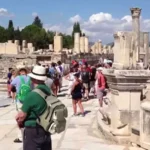
The Ephesus Archaeology Museum holds the small and medium-sized finds recovered from more than a century of excavations at Ephesus and the surrounding region. Together with the open-air archaeological site, it forms a paired visit — the site shows you the city’s monumental architecture, and the museum holds the statues, mosaics, jewellery and inscriptions that bring everyday life into focus.
The museum building was first opened in 1929 in a small original space and has been steadily expanded as new finds came in from Ephesus, the Temple of Artemis, the Basilica of St John and other regional sites. The current galleries follow a thematic rather than strictly chronological arrangement, with rooms devoted to the Terrace Houses, the cult of Artemis, imperial Roman portraits, funerary monuments and the medieval Byzantine and Seljuk periods.
The museum’s significance comes from the combination of star objects and the depth of context they sit in. The two Artemis statues of Ephesus — the so-called Beautiful Artemis and the Great Artemis — are among the most striking surviving cult images from any ancient site. The fragments of the colossal cult statue from the Temple of Domitian include the head, an arm and a hand, allowing visitors to grasp the original seven-metre scale of the figure. The head of Socrates, recovered from a Roman copy of a Greek original, is one of the best-preserved likenesses of the philosopher.
Beyond the marquee pieces, the museum holds objects that paint a picture of ordinary Roman and Byzantine life — surgical instruments, terracotta lamps, household pottery, glassware, coins and small bronzes. The Terrace Houses gallery in particular helps visitors understand the lifestyle of wealthy Ephesians in the 1st to 5th centuries AD.
What to See
Key galleries and exhibits to seek out include:
- Artemis Hall — home to the Beautiful Artemis and the Great Artemis statues, both with the characteristic multiple bosses across the chest (variously interpreted as breasts, bull testes or symbols of fertility)
- Imperial portraits gallery — fragments of the Domitian cult statue and other imperial likenesses
- Eros with Dolphin — a small but charming Roman sculpture from the Terrace Houses
- Head of Socrates — a Roman copy of a 4th-century BC Greek bronze original
- Statue of Priapus — recovered from the so-called Brothel of Ephesus, the find that gave the building its modern name
- Statue of Isis — evidence of the Egyptian goddess cult in Roman Ephesus
- Terrace Houses gallery — frescoes, glass vessels, ivory frieze fragments and household objects from the upper-class residences across the slope from the Library of Celsus
- Funerary monuments — including grave stelae with reliefs and inscriptions that document everyday Ephesians
- Byzantine and Seljuk gallery — coins, ceramics and small architectural fragments from the medieval phases of the city
Allow at least 90 minutes for a satisfying visit. Two hours is more comfortable. The museum is air-conditioned and offers welcome relief on hot summer afternoons after a morning at the site.
Visitor Information
Opening Hours
As of 2026, the museum is open daily except on a small number of public holidays. Summer hours (April to October) run approximately 08:30 to 19:00, with last entry around 18:00. Winter hours (November to March) are approximately 08:30 to 17:30. Check muze.gov.tr for the latest schedule.
Tickets & Entry
The museum has its own ticket, separate from the Ephesus archaeological site. As of 2026, adult entry is approximately 12–15 euros equivalent; prices are revised annually. The MuseumPass Aegean and MuseumPass Turkey both cover the Ephesus Archaeology Museum and are excellent value if you are visiting multiple sites along the Aegean coast.
How to Get There
The museum is in the centre of Selçuk town, on the main avenue, and is well signposted. From the Ephesus archaeological site:
- By car: 5–10 minutes to Selçuk centre
- By taxi: short ride, fares from the Lower Gate are modest but agree the price before you set off
- By minibus (dolmuş): regular services between Selçuk and the Ephesus entrances; the museum is a 5-minute walk from the central bus stop
- On foot: the walk from the Lower Gate of Ephesus to Selçuk takes around 45 minutes along a partly shaded road
From Istanbul, fly to İzmir Adnan Menderes Airport (ADB), then drive 45 minutes south to Selçuk. From Kuşadası, Selçuk is about 20 minutes by road.
Tips for Visitors
- Visit the museum on the same day as the Ephesus site, ideally in the afternoon after the morning visit. The objects on display make much more sense when you have just seen the buildings they came from.
- Plan the Artemis Hall and the Terrace Houses gallery as priorities if you are short on time.
- Photography for personal use is generally allowed without flash. Confirm at the entrance — rules change.
- Audio guides are available; bring headphones if you have them.
- The museum is fully air-conditioned, so it makes an ideal stop during the hottest part of the day in summer.
- Pram and wheelchair access is good throughout. The galleries are on a single level with ramped transitions.
- There is a small museum shop with quality books on Ephesus, the Artemision and the Terrace Houses — worth a browse for deeper reading.
- Cafés around the museum entrance in Selçuk make a good lunch or coffee stop between the archaeological site and the museum.
The Two Artemis Statues — Different in Detail
Many visitors are surprised to find that the museum displays two complete Artemis statues, each from a different period and each with distinct iconographic detail. Spending a few minutes comparing them is one of the most rewarding stops in the museum.
- The Beautiful Artemis (Güzel Artemis): smaller and more refined, with finer carving of the head, face and decorative bands. The figure stands with hands held forward and the typical multiple bosses across the chest.
- The Great Artemis (Büyük Artemis): larger and more monumental, with heavier proportions and a longer column of decorative animal figures running down the body. The figure has a more rigid, hieratic feel.
Both statues are Roman-period copies of the original cult image from the Temple of Artemis at Ephesus, which has not survived. The multiple bosses on the chest have been variously interpreted as breasts, bull testes (offered as sacrifices), bags of seeds, eggs or amber pendants. The animals along the lower body — lions, bulls, deer, sphinxes, bees — connect the goddess to her role as mistress of wild and domestic creatures.
The Terrace Houses Gallery
The Terrace Houses on the slope above Curetes Street give the best surviving picture of upper-class life in Roman Ephesus. Visiting the site is impressive on its own, but the museum gallery dedicated to the Terrace Houses fills in important context. Frescoes recovered from the houses are displayed at eye level rather than on distant walls, allowing visitors to see brushwork and pigment detail up close.
Highlights include detailed wall paintings of mythological scenes, an ivory frieze fragment showing the Trojan War, glass vessels in remarkable preservation and household items including bronze lamps, surgical instruments and small terracotta figures. Together they sketch the texture of life in a wealthy Roman city: medicine, dining, religion, household decoration and entertainment.
Visiting Strategy: Museum Before or After the Site?
Visitors often debate whether to visit the museum before or after the Ephesus archaeological site. Both approaches have merit:
- Museum first: gives you the artefacts and context before you see the buildings. Helps you recognise what you are looking at on the site.
- Site first: gives you the spatial impression of the city before the small details. Makes the museum objects feel more meaningful because you have already seen where they came from.
Most travellers find the site-first approach works better for Ephesus, partly because the archaeological site is open earlier and is best visited in the cooler morning. The museum is then a comfortable afternoon stop, ideally between lunch and the drive back to your base.
Nearby Attractions
Selçuk itself is a small town with several major sites within walking distance of the museum. The Basilica of St John, on Ayasuluk Hill above the town, is the supposed burial place of the apostle and one of the most important early Christian pilgrimage sites in Anatolia. Next to it stands the Isa Bey Mosque, a 14th-century Aydınid building with reused Roman columns. The single surviving column of the Temple of Artemis — one of the Seven Wonders of the Ancient World — sits in a field a short walk from the town centre. The House of the Virgin Mary, on a hilltop south of Ephesus, is the supposed final residence of the Virgin and an important pilgrimage site. The town of Şirince, with its preserved Greek architecture and local wines, is a 15-minute drive into the hills. Kuşadası, the cruise port and beach resort, is 20 minutes west and a good base for travellers combining the museum with coastal time.
Plan Your Visit with Acetes Travel
The Ephesus Archaeology Museum is the missing half of any thorough Ephesus visit. Our Ephesus Tour from Istanbul can include a museum stop on request, combined with the archaeological site, the Temple of Artemis and the Basilica of St John, all with return flights, transfers and a licensed local guide.